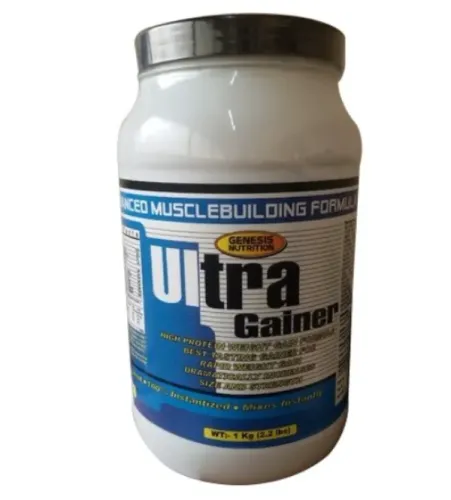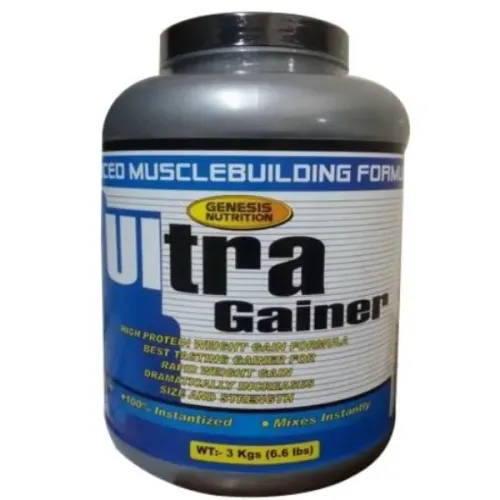

Ordering sports nutrition products in bulk can improve inventory planning, reduce procurement costs, and help businesses meet growing customer demand. However, many gym owners, nutrition retailers, wholesalers, and distributors make avoidable mistakes during the sourcing process. If you're considering products such as Muscletech Ultra Gainer, taking a strategic approach to procurement can help protect your investment and improve long-term business performance.
The sports nutrition market in India continues to expand as more consumers adopt fitness-focused lifestyles. Mumbai, in particular, has become an important market for supplement manufacturing, wholesale distribution, and retail sales. With increasing competition, businesses need to make purchasing decisions based on product quality, market demand, and supplier reliability rather than simply choosing the lowest-priced option.
One of the biggest mistakes buyers make is assuming that all weight gainers offer similar value. While products may appear comparable on the surface, differences in nutritional composition, ingredient quality, manufacturing standards, and supply consistency can significantly affect customer satisfaction.
Mistake 1: Buying Only on Price
Competitive pricing is important, but selecting products based solely on the lowest quotation often leads to long-term challenges.
Instead, compare:
- Product quality
- Manufacturing standards
- Ingredient transparency
- Packaging quality
- Supplier reliability
- Delivery performance
A slightly higher purchase cost may provide better overall business value through consistent quality and dependable service.
Mistake 2: Ignoring Customer Preferences
Every business serves a different audience.
Before placing bulk orders, understand who your customers are.
For example, your buyers may include:
- Commercial gym members
- Bodybuilders
- Fitness beginners
- Sports academies
- Nutrition-conscious professionals
- Online supplement shoppers
Studying purchasing behaviour helps ensure that inventory aligns with actual market demand rather than assumptions.
Mistake 3: Not Reviewing Product Labels
Many retailers overlook nutritional details before ordering.
Always examine:
- Protein content
- Carbohydrate profile
- Serving size
- Ingredient list
- Allergen information
- Manufacturing and expiry dates
Well-informed retailers are better prepared to answer customer questions and recommend products responsibly.
Mistake 4: Overlooking Packaging Standards
Packaging is more important than many businesses realise.
Poor packaging may lead to:
- Product damage during transport
- Moisture exposure
- Difficult shelf presentation
- Customer complaints
- Reduced product appeal
Choosing products with durable, professionally designed packaging helps maintain quality throughout storage and distribution.
Mistake 5: Ordering More Than Required
Buying excessive inventory without analysing demand can increase storage costs and tie up working capital.
Instead, evaluate:
- Historical sales data
- Seasonal demand
- Customer purchasing trends
- Available warehouse capacity
- Reorder timelines
A balanced inventory strategy supports better cash flow while reducing unnecessary stock accumulation.
Mistake 6: Choosing Suppliers Without Evaluating Reliability
A product may perform well initially, but inconsistent supply can disrupt your business.
Before selecting a sourcing partner, ask:
- Are products consistently available?
- What are the standard delivery timelines?
- Can larger future orders be supported?
- Is communication responsive?
- How are inventory shortages handled?
Reliable suppliers help businesses maintain uninterrupted operations.
Mistake 7: Not Requesting Product Samples
Before committing to a large order, request samples whenever possible.
Evaluate:
- Product appearance
- Packaging quality
- Label clarity
- Mixability
- Overall presentation
Testing products before purchasing in bulk reduces the likelihood of costly procurement mistakes.
Mistake 8: Thinking Only About Today's Requirements
Many businesses choose suppliers based only on immediate needs without considering future growth.
As your customer base expands, your supplier should be able to support:
- Higher order volumes
- Consistent manufacturing
- Reliable logistics
- Product availability
- Efficient order management
Building long-term supplier relationships often creates greater operational stability.
Businesses across Mumbai and Maharashtra increasingly prefer sourcing partners capable of supporting steady inventory requirements while maintaining manufacturing consistency. Companies such as Altius Sports Nutrition work with gym owners, supplement retailers, wholesalers, distributors, and bulk buyers by manufacturing and supplying sports nutrition products designed to support evolving business requirements.
Final Thoughts
Whether you plan to stock Muscletech Ultra Gainer or evaluate similar weight gain products, avoiding common sourcing mistakes can improve profitability and customer satisfaction. Careful assessment of nutritional quality, packaging, supplier reliability, inventory planning, and customer demand helps businesses make informed purchasing decisions.
Successful retailers rarely focus on a single factor when selecting supplements. Instead, they evaluate the complete procurement process, build dependable supplier relationships, and stock products that consistently meet customer expectations. This thoughtful approach creates a stronger foundation for long-term success in the growing sports nutrition market.
Keywords