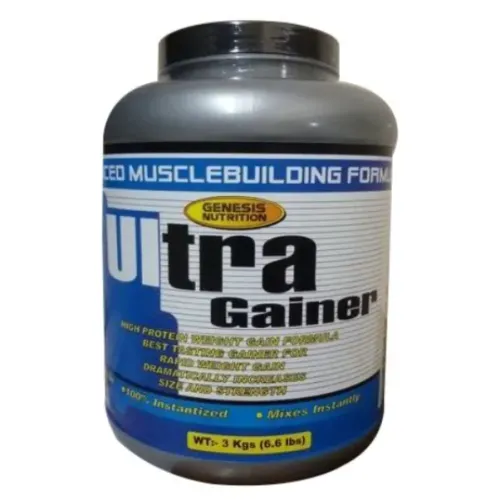

Consumer awareness of fitness and nutrition has created strong demand for quality sports supplements. As a result, Whey Protein Retailers have an excellent opportunity to grow by offering products that meet different fitness goals and customer preferences.
However, expanding a supplement portfolio involves much more than adding new products to store shelves. Retailers need to understand customer expectations, product quality, inventory planning, and supplier reliability to achieve sustainable growth.
Understanding Today's Whey Protein Customer
Modern buyers are well-informed.
Many customers compare:
- Protein percentage
- Ingredient quality
- Flavor options
- Nutritional values
- Serving sizes
- Brand credibility
Before making a purchase, they often research products online, read reviews, and seek guidance from fitness professionals.
Retailers who understand these buying behaviors can offer more relevant recommendations.
Stock Products for Different Customer Goals
Not every customer has the same objective.
Some purchase supplements for:
- Lean muscle development
- Post-workout recovery
- Daily protein intake
- Weight management
- Athletic performance
Maintaining a balanced product mix helps retailers serve a broader audience without limiting customer choice.
Product Education Creates Better Sales
Customers frequently ask questions about supplement usage.
Retail staff should understand:
- Basic protein types
- Recommended serving methods
- Storage guidelines
- Label interpretation
- Ingredient terminology
Providing educational support improves customer confidence and encourages repeat business.
Focus on Product Authenticity
Counterfeit supplements remain a concern in many markets.
Working with reliable suppliers reduces the risk of stocking products with questionable quality.
Retailers should verify supplier credentials, packaging consistency, and documentation before purchasing inventory.
Inventory Planning Matters
Successful supplement stores monitor purchasing trends throughout the year.
Products with higher demand should receive priority while slow-moving inventory is reviewed regularly.
Good inventory planning helps reduce unnecessary storage costs and minimizes expired products.
In-Store Experience Still Matters
Even as online shopping grows, physical stores remain valuable because customers appreciate personalized guidance.
Retailers can improve the shopping experience by:
- Organizing products clearly
- Displaying nutritional information
- Maintaining clean shelves
- Offering knowledgeable assistance
These simple improvements encourage customer loyalty.
The Importance of Reliable Supply
Frequent stock shortages can affect customer trust.
Retailers should establish relationships with suppliers capable of delivering products consistently throughout the year.
Businesses in Mumbai often experience fluctuating demand because of expanding gym memberships and seasonal fitness trends, making dependable supply even more valuable.
Staying Updated with Industry Trends
The sports nutrition industry evolves rapidly.
Retailers who regularly monitor:
- Consumer preferences
- New formulations
- Packaging innovations
- Nutritional research
can make better purchasing decisions and remain competitive.
Supporting Long-Term Growth
Building a successful supplement retail business requires careful planning, quality products, and dependable suppliers.
Businesses like Altius Sports Nutrition support retailers by supplying sports nutrition products that serve the evolving needs of fitness-focused consumers. Choosing reliable supply partners and focusing on customer education helps Whey Protein Retailers strengthen their reputation while meeting the growing demand for quality supplements.
Keywords